
~ Prabhgun Kaur, Intern
We often assume that once someone hurts us enough, walking away should be easy.
But anyone who’s ever loved the wrong person knows it rarely works that way.
Almost everyone has had that one person they promised themselves they would never go back to. Maybe it was an ex who kept breaking promises, a friend who only reached out when they needed something, or someone who made you feel important one day and invisible the next.
You finally decide you’ve had enough. You delete the chats, remove the photos, and convince yourself that this chapter is over.
Then, days or weeks later, something unexpectedly brings them back into your mind. It could be a song you both liked, a place you visited together, or simply one of those quiet evenings when your thoughts wander back to the past.
And before you know it, you’re questioning your own decision.
Were things really that bad?
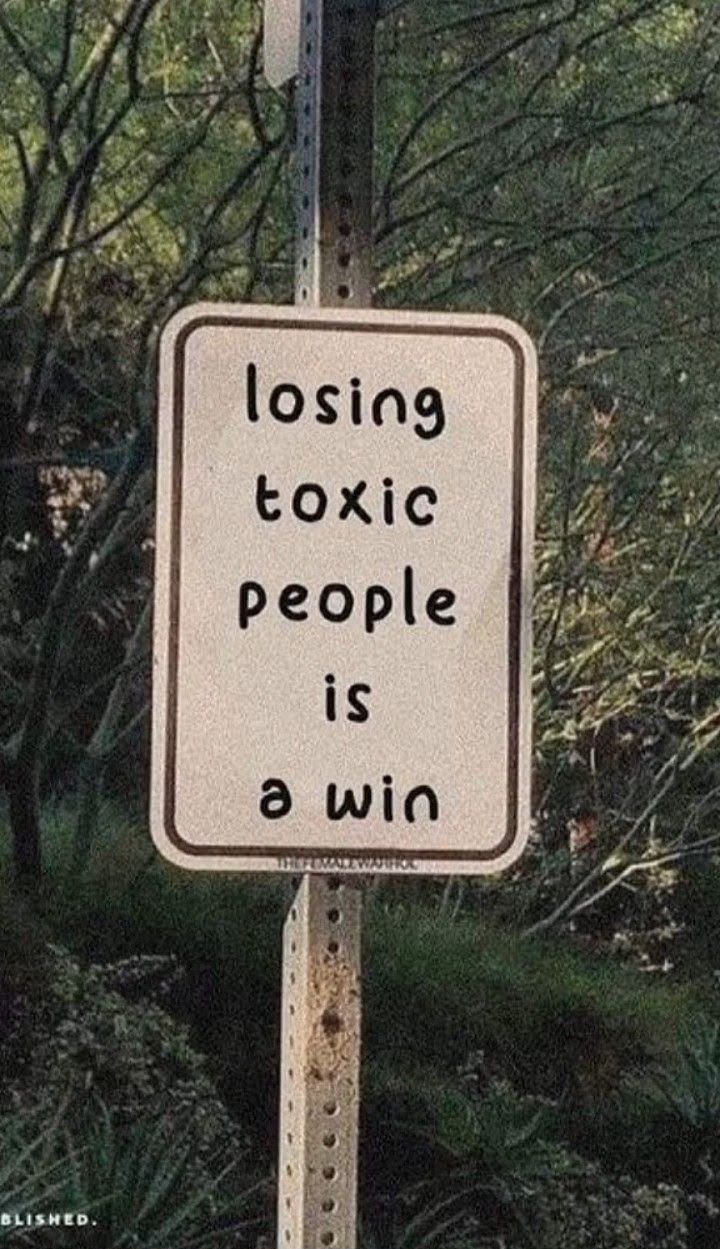
The strange thing is, we rarely miss the pain itself. We don’t miss the arguments, the sleepless nights, or the constant disappointment. We miss the laughter, the familiar routines, the comfort of having someone to text, and the version of the relationship we desperately wanted to believe in.
Our memories have a habit of softening the edges of painful experiences. Over time, the happy moments become easier to remember than the reasons we left in the first place.
Sometimes we’re not even attached to the person they are today. We’re attached to who they were when we first entered their life—or perhaps to the person we hoped they would become. We keep waiting for that version to return, even when their actions suggest otherwise.
Psychologists explain part of this through a concept called intermittent reinforcement. When affection comes unpredictably—when someone is loving one day and emotionally unavailable the next—our brain begins to crave those rare moments of warmth. Ironically, inconsistency can strengthen emotional attachment instead of weakening it.
Our past experiences can shape this pattern too. If love has always felt like something you had to earn, you may unknowingly find yourself chasing relationships that require constant effort. It isn’t because you enjoy being hurt. It’s because struggle has started to feel familiar.
Perhaps that’s why letting go feels so complicated. You’re not only saying goodbye to a person. You’re also saying goodbye to shared memories, imagined futures, and the hope that one day things might finally be different.
But hope alone cannot build a healthy relationship.
One of the hardest truths to accept is that missing someone doesn’t necessarily mean they belong in your life. You can miss them deeply and still recognise that the relationship was costing you your peace.
Instead of asking yourself, “Why can’t I let them go?” it may help to ask, “What part of this relationship am I still holding on to?” Sometimes the answer isn’t the person at all. It’s the hope, the memories, or the version of them that existed only in the beginning.
Real healing doesn’t happen when you stop caring overnight. It happens gradually, when you begin choosing your own emotional well-being over a cycle that keeps repeating itself.
And perhaps that’s what moving on really means—not forgetting someone, but finally accepting that protecting your peace is an act of self-respect, not selfishness
