
The Homesickness Nobody Talks About
~ Shreya Madhwal, Intern
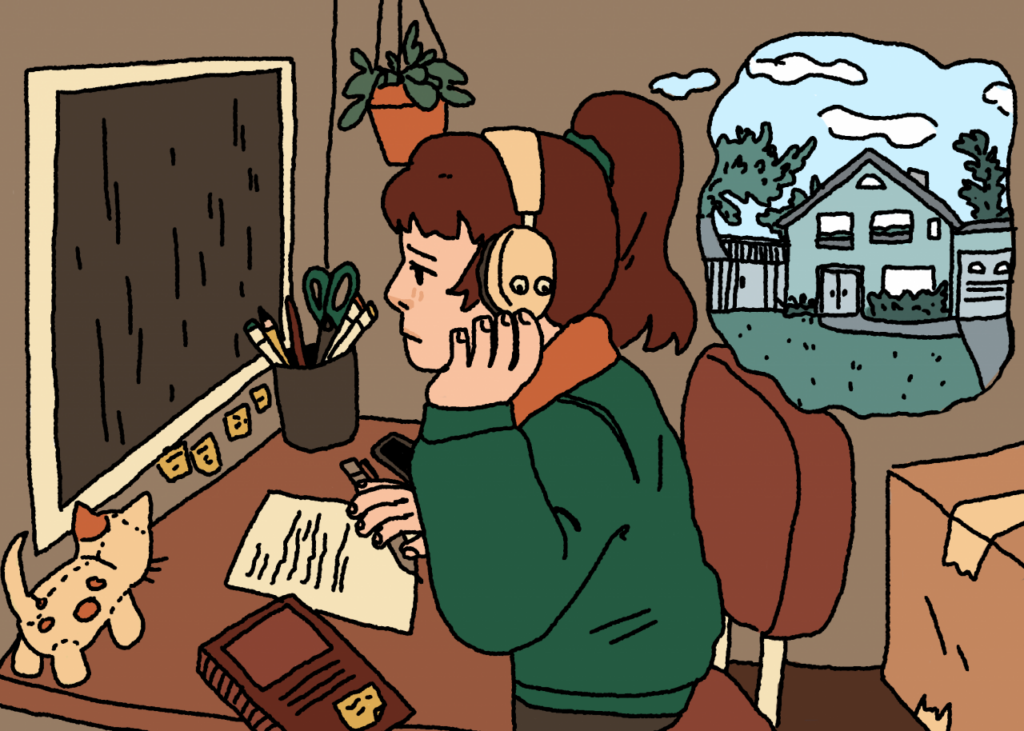
You finally got the job offer. Or the admission letter. Or the promotion that meant relocating. Friends congratulated you, family beamed with pride, and you packed your bags feeling like the luckiest person alive. Then you landed… something felt off. The city was louder, or quieter, than you expected. Your accent suddenly stood out. Nobody remembered how you took your coffee/tea, and there was no one to call at 9 pm just to talk about nothing. This is the part of moving that congratulations cards never mention: the quiet, unglamorous mental health toll of starting over somewhere unfamiliar.
Every year, millions of people relocate for careers and education, chasing better opportunities. What often follows is a lesser-known experience: relocation stress, sometimes called “culture shock” even within one’s own country. It shows up as loneliness that ambushes you; not just missing people, but missing being known. It shows up as identity disorientation, where the version of you that existed at home doesn’t quite fit here yet. It shows up as decision fatigue, when every small task, from finding a doctor to figuring out the metro, requires effort that used to be automatic. It shows up as comparison spirals, watching old friend’s lives continue on social media while yours feels like it’s starting from zero. And often, it shows up in the body first; as disrupted sleep and a low hum of anxiety, a nervous system working overtime to make sense of a new environment.
None of this means something is wrong with you. It means your brain is doing exactly what brains do when the familiar framework of home; routines, relationships, landmarks, language, is suddenly gone. Psychologists sometimes call this “ambiguous loss”: grieving a life that hasn’t ended, just changed shape. Most people prepare logistically for a move; the apartment, the paperwork, the packing; but rarely prepare emotionally. When the loneliness or anxiety arrives, it can feel confusing, even shameful, especially if the move was something you wanted. This mismatch between “I should be happy” and “I actually feel lost” is often what makes the struggle harder to talk about, and easier to bottle up.
The good news is that settling in is a skill, not a stroke of luck, and it can be built deliberately.
Start by anchoring your days with small rituals; a regular tea spot, a weekend walk, a consistent bedtime. Predictability rebuilds a sense of safety far faster than trying to figure everything out at once. Seek proximity before you seek friendship: deep bonds take time, but showing up regularly at a gym class, a co-working space, or a community event puts you in the path of connection, and familiar faces eventually become familiar people. Stay connected to home, but don’t live there; call your people, but resist spending every evening video-calling the life you left behind, and give the present city a real chance to become present. Name what you’re feeling instead of numbing it- journaling, therapy, or simply saying out loud “I’m having a hard time adjusting” takes the shame out of the experience and often reveals it’s more common, and more temporary, than it feels. And redefine what progress looks like; some weeks, doing well just means you cooked dinner and left the house once, and that counts.
Here’s what rarely gets said: “the very disruption that makes relocation hard is also what makes it transformative”. People who navigate this chapter well often emerge more adaptable, more self-aware, and more resourceful than before, because they had to rebuild a life largely on their own terms. The unsettled feeling isn’t a sign you made the wrong choice. It’s the cost of growth, temporarily disguised as distress. And like most costs, it comes down over time, especially with the right support. If the weight of settling in feels heavier than you can carry alone, reaching out to a mental health professional isn’t a last resort! it’s simply a faster, kinder way through. You don’t have to figure out your new city, or yourself, entirely alone.
