
Is Your Teenager Really Becoming Rude, or Are They Just Learning to Set Boundaries?
By Gunja Maurya (Therapist)
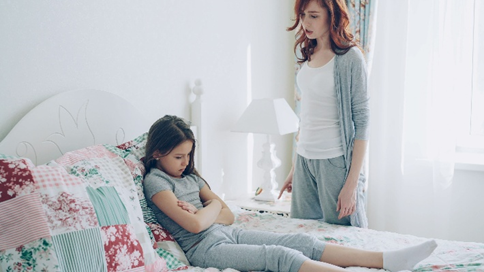
If you have a teenager at home, you may have noticed a few changes lately. The child who once told you every little thing may now answer most questions with a simple “nothing.” The child who never minded you entering their room may suddenly say, “Please knock before you come in.” And when you try to give advice, you may hear, “I know what I’m doing.”
At times, parents may feel that their child has developed an attitude. They may wonder why the child is no longer the same as before.
But does this always mean the teenager is becoming rude?
Not necessarily.
During the teenage years, a child is not just growing physically — they are also trying to understand themselves. Their likes and dislikes become clearer. They begin to develop their own opinions and may start feeling that they should have a say in some decisions.
What a parent sees as “talking back” may sometimes be a teenager trying to express their own thoughts. What feels like “distance” to a parent may simply be a need for privacy.
When children are younger, they often share almost everything with their parents. As they enter their teenage years, their world begins to change. Friends become more important, personal experiences become more private, and there may be certain things they simply want to keep to themselves.
That doesn’t automatically mean they are becoming distant from their parents.
After all, even adults don’t share every thought or personal experience with everyone. Wanting some privacy isn’t necessarily a problem.
Sometimes a teenager may say, “Just leave me alone.” Parents can easily take this personally and feel that their child is pushing them away.
But after spending the whole day at school — attending classes, talking to friends, studying, and dealing with different expectations — a teenager may simply need some quiet time.
They may want to listen to music, use their phone, or just sit alone for a while.
Being alone doesn’t always mean something is wrong.
At the same time, it’s important to understand the difference between a boundary and rude behaviour.
If a teenager says, “I’m upset right now. Can we talk later?” they are expressing a need.
But insulting someone, using abusive language, or deliberately disrespecting others is not the same as setting a boundary.
Teenagers need the freedom to express themselves, but respect still matters.
Parents also need to understand their own side of the situation. Their questions and restrictions often come from concern — they worry that their child may make the wrong decision, choose the wrong friends, or struggle with studies.
The parent may be thinking,
“I’m only saying this because I care.”
While the teenager may be thinking,
“They just don’t trust me.”
That difference in understanding can turn a small conversation into an argument.
Sometimes it helps to look beyond the teenager’s tone and understand what they may actually be trying to say.
When a teenager says, “Stop interfering in everything,” they may actually be trying to say, “Please let me make some decisions on my own.”
And teenagers also have something to learn. Independence doesn’t mean they no longer need anyone. If they want trust, they also need to understand the responsibility that comes with it. If they want privacy, they need to respect other people’s privacy too.
So the next time your teenager seems rude, pause before immediately calling it “attitude.”
Ask yourself:
Are they really being disrespectful, or are they trying to find their own space?
Not every disagreement is disrespect.
Not every need for privacy means distance.
And not every “Let me do it myself” means rejection.
Teenagers need space, while parents need respect and reassurance.
Finding a balance between the two may not always be easy, but it can make the relationship much healthier.
Growing up isn’t only a change for the teenager.
Sometimes parents also have to learn that their child no longer needs to be held and guided at every step. They need someone who can walk beside them.
