
Gratitude is a positive and meaningful emotion that involves recognizing and appreciating the good things in life. It is much more than simply saying “thank you.” It is a way of thinking and living that encourages individuals to value the people, experiences, opportunities, and resources that contribute to their well-being. Gratitude helps people acknowledge that many positive aspects of life are not achieved through their efforts alone but are also influenced by the support of family, friends, teachers, colleagues, and the community. Developing an attitude of gratitude allows individuals to focus on what they have rather than constantly thinking about what they lack.
In today’s fast-paced world, people often become preoccupied with their problems, failures, and unmet expectations. They may overlook the many blessings and opportunities that already exist in their lives. Gratitude shifts this perspective by encouraging individuals to recognize and appreciate even the smallest positive moments, such as spending time with loved ones, enjoying good health, receiving support from others, having access to education, or simply experiencing a peaceful day. Paying attention to these everyday experiences helps create a greater sense of satisfaction and contentment.
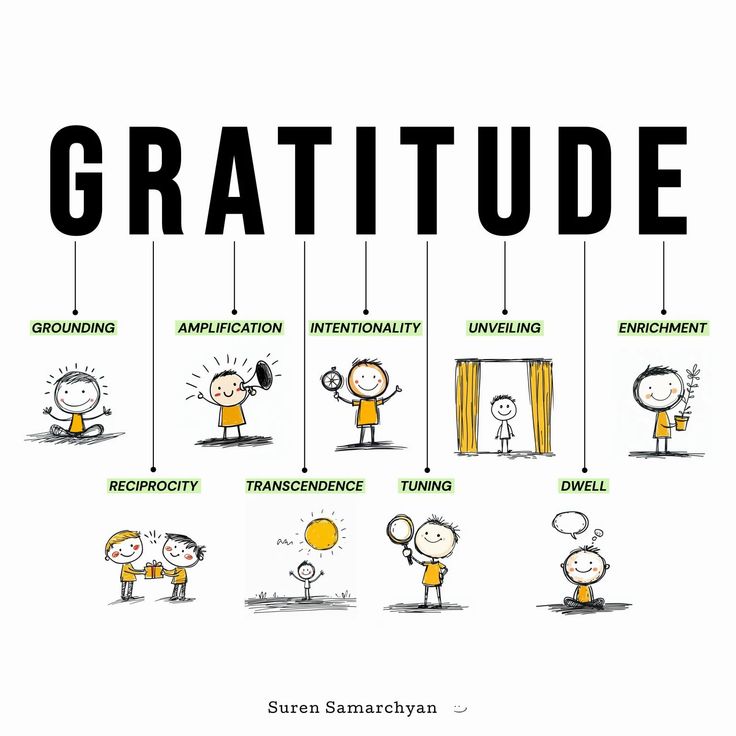
Gratitude has a significant influence on emotional and psychological well-being. When people consciously appreciate the positive aspects of their lives, they tend to experience greater happiness, hope, and inner peace. Instead of becoming overwhelmed by negative situations, they learn to balance their attention by recognizing what is still going well. This positive outlook helps individuals remain emotionally stable during difficult times and encourages them to approach challenges with patience and resilience. Gratitude also promotes optimism, allowing people to believe that even in challenging circumstances, there are opportunities for growth and learning.
Another important benefit of gratitude is its positive effect on relationships. Expressing appreciation strengthens trust, respect, and emotional connection between individuals. A sincere “thank you” or acknowledging someone’s kindness can make people feel valued and respected. Whether within families, friendships, schools, or workplaces, gratitude creates a supportive and caring environment where people are more likely to help, encourage, and understand one another. It also reduces unnecessary conflicts by promoting empathy and mutual respect.
Gratitude also contributes to personal growth and character development. It encourages qualities such as humility, kindness, compassion, and generosity. People who practice gratitude are more likely to appreciate the efforts of others instead of focusing only on their own achievements. They become more accepting of life’s imperfections and develop a balanced perspective toward success and failure. Rather than comparing themselves with others, they learn to value their own journey and celebrate the progress they have made.
Practicing gratitude does not require extraordinary circumstances. It can be developed through simple daily habits, such as taking a few moments to reflect on positive experiences, appreciating the people who offer support, or recognizing small achievements throughout the day. Over time, these habits help individuals develop a more positive mindset and a greater appreciation for life.
In conclusion, gratitude is not just an emotion but a way of living that promotes positivity, contentment, and meaningful relationships. It encourages individuals to appreciate the present moment, recognize the value of the people around them, and focus on the positive aspects of life. By cultivating gratitude, people can develop a healthier outlook, stronger relationships, and a deeper sense of fulfillment, making life more balanced, peaceful, and rewarding.
