
Artificial Intelligence in Mental Health: A Helpful Tool, Not a Therapist
By Neha Juneja
Therapist | Mental Health Professional
Artificial intelligence (AI) is becoming increasingly common in mental healthcare. From chatbots that offer emotional check-ins to apps that monitor mood, sleep, and daily habits, AI has made mental health support more accessible than ever before. It offers immediate responses, is available around the clock, and can help people who may hesitate to seek help because of stigma, financial constraints, or long waiting periods. While these developments are promising, it is important to understand that AI is designed to support mental healthcare—not replace it. Mental health treatment requires empathy, clinical judgment, ethical decision-making, and an understanding of the complexities of human emotions, all of which remain uniquely human abilities.
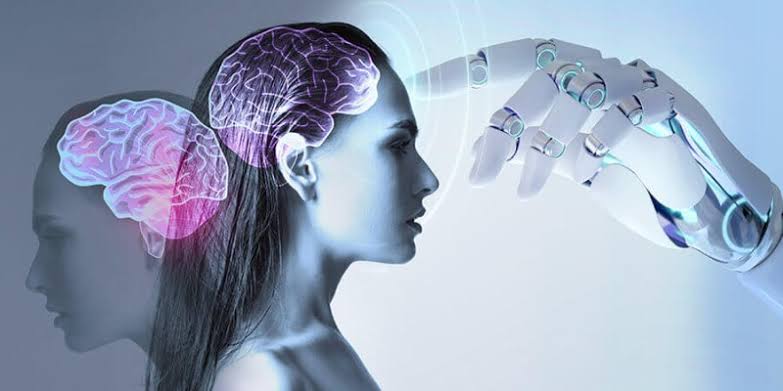
How AI Can Support Mental Health
Immediate and Accessible Support
One of AI’s greatest strengths is accessibility. Unlike traditional services that may involve appointment delays, AI-powered platforms are available 24 hours a day, allowing individuals to receive basic guidance, coping suggestions, or psychoeducation whenever they need it. For many people, this immediate access can serve as a valuable first step toward seeking professional help.
Early Identification of Mental Health Changes
Modern AI systems can identify subtle behavioral patterns that may indicate changes in mental wellbeing. By analyzing information such as sleep routines, speech characteristics, typing behavior, physical activity, or mood logs, some technologies can detect early warning signs of emotional distress. These insights may encourage individuals to seek professional evaluation before symptoms become more severe.
Supporting Mental Health Professionals
AI is also transforming clinical practice behind the scenes. Automated documentation tools can reduce the time therapists spend on administrative work, allowing them to focus more fully on patient care. AI-assisted analysis of therapy sessions may also contribute to professional training and quality improvement by identifying communication patterns or therapeutic techniques.
Understanding the Limitations
Despite its potential, AI has significant limitations that should not be overlooked.
It Cannot Replace Human Empathy
Effective therapy involves more than providing information. It requires emotional attunement, compassion, trust, and the ability to understand subtle interpersonal dynamics. AI can generate responses that appear supportive, but it does not genuinely experience empathy or understand the emotional meaning behind a person’s experiences.
Challenges During Mental Health Crises
Mental health crises demand careful clinical assessment and immediate intervention. Although AI may recognize certain warning signs, it can also overlook serious risks or respond inappropriately. In high-risk situations—such as suicidal thoughts, self-harm, or severe emotional distress—professional human intervention is essential.
Risk of Emotional Dependence
Because AI systems are available at any time and often communicate in a warm, conversational style, some individuals may begin relying on them for emotional comfort. Over time, this dependence can reduce motivation to seek genuine human support, potentially increasing feelings of loneliness and social isolation rather than reducing them.
Inaccurate or Misleading Information
AI systems occasionally generate incorrect information while presenting it with confidence. They may provide inaccurate explanations, oversimplified advice, or responses that unintentionally reinforce unhealthy beliefs. Since AI does not truly “understand” mental illness, its suggestions should never be considered equivalent to a clinical diagnosis or individualized treatment plan.
Using AI Responsibly
AI can be a useful companion in mental health care when used thoughtfully and within appropriate boundaries.
If you choose to use AI for mental health support:
- Treat it as a source of education, self-reflection, or general wellness guidance rather than a substitute for psychotherapy.
- Verify important health information with qualified mental health professionals or trusted medical resources.
- Discuss any AI tools you use with your therapist so they can be integrated appropriately into your treatment plan.
- Continue investing in meaningful relationships with family, friends, and supportive communities, as genuine human connection remains one of the strongest protective factors for psychological wellbeing.
- Seek immediate professional or emergency assistance if you experience severe emotional distress, suicidal thoughts, or any mental health emergency.
The Human Element Still Matters
Artificial intelligence is changing the way mental health services are delivered, making support more accessible and improving efficiency within healthcare systems. However, technology cannot replace the therapeutic relationship, which is built on empathy, trust, emotional understanding, and shared human experience.
The future of mental healthcare is not about choosing between AI and therapists. Instead, it lies in combining technological innovation with compassionate human care. AI can enhance mental health services by expanding access and supporting clinicians, but healing ultimately happens through authentic relationships, skilled professionals, and meaningful human connection. As AI continues to evolve, its greatest value will be found not in replacing therapists, but in empowering both clinicians and individuals to achieve better mental health outcomes together.
