
How Does a Child Who Feels Lonely in Childhood Feel as an Adult?
By Gunja Maurya (Therapist)
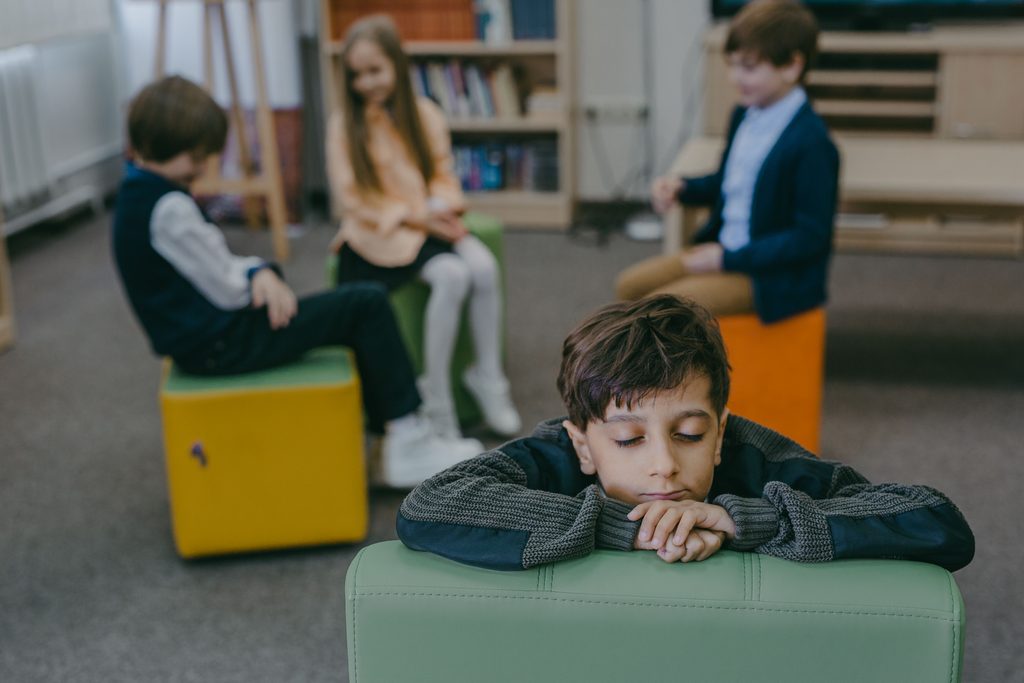
Childhood is often described as the happiest part of life. But not every child experiences it that way. Some children grow up surrounded by family, classmates, and friends, yet still feel deeply alone. They may feel that no one really understands what they are going through.
When a child does not feel comfortable sharing their feelings or feels that their emotions are not taken seriously, they may slowly learn to keep everything inside. They may stop expressing when they are hurt, stop asking for what they need, and start dealing with their problems on their own.
The difficult part is that this habit does not always stay in childhood.
As adults, these people may still feel lonely even when they are surrounded by others. They may find it difficult to get close to people because they are afraid of being rejected, misunderstood, or left behind. They may also overthink small changes in someone’s behaviour and wonder, “Did I do something wrong?” or “Will this person leave me too?”
Some people respond in a different way. They become very good at understanding other people’s feelings but struggle to talk about their own. They are always there for others but find it difficult to ask for help when they need it.
Sometimes they convince themselves that they do not need anyone. But deep inside, they may still want a genuine connection where they can feel accepted and understood.
This is why a person can be in a relationship, have friends, or be surrounded by people and still feel emotionally lonely.
For such people, being alone is not always the real problem. The deeper struggle can be the feeling that “I cannot be completely myself with anyone and still feel safe.”
But childhood loneliness does not have to define someone’s entire life. With self-awareness, supportive relationships, and the ability to understand and express their emotions, people can slowly learn to feel connected again.
Sometimes healing begins with a simple realization:
“My feelings matter too. I deserve to be heard, understood, and accepted.”
