
~ Prabhgun Kaur, Intern
“I really don’t want to go… but what if they get upset?” “
I’m already exhausted, but I guess I can help one more time.”
“I’ll do it… even though I don’t have the time.”
If you’ve ever caught yourself saying “yes” when every part of you wanted to say “no,” you’re not alone.
Many people struggle with setting boundaries.
We often assume saying “no” is rude, selfish, or disrespectful. But the truth is, constantly saying “yes” to everyone else can slowly become a way of saying “no” to yourself. So why is it so difficult? The Fear of Disappointing Others One of the biggest reasons people avoid saying “no” is the fear of hurting someone’s feelings or disappointing them. We naturally want to be liked and accepted. Whether it’s a friend asking for a favor, a colleague requesting extra work, or a family member expecting our time, we worry that refusing might make us seem uncaring. Sometimes we don’t say “yes” because we genuinely want to—we say it because we’re afraid of what will happen if we don’t.
We Learn It Early.
For many of us, this pattern begins in childhood. Children are often praised for being “good,” “obedient,” or “helpful.” While these qualities are valuable, some people grow up believing that their worth depends on keeping others happy. As adults, this belief can show up in subtle ways. We apologize for having needs, avoid conflict at all costs, and feel guilty whenever we put ourselves first. Over time, pleasing others becomes automatic.
The Hidden Cost of Always Saying “Yes”
At first, saying “yes” feels easier. You avoid awkward conversations. People appreciate your help. Everything seems fine. But slowly, the emotional cost begins to show. You may feel overwhelmed, emotionally drained, frustrated, or even resentful. You start wondering why no one notices how much you’re carrying, even though you’ve never expressed your limits.
The problem isn’t kindness. The problem is sacrificing your own well-being so often that you forget your needs matter too.
Saying “No” Doesn’t Make You Selfish.
This is one of the biggest misconceptions. Healthy boundaries aren’t walls that push people away. They’re guidelines that protect your mental and emotional well-being.
Think about it this way: if your phone battery is always at 1%, it won’t function properly. The same is true for people. You can’t keep giving your time, energy, and emotional support without allowing yourself to recharge. Saying “no” isn’t about rejecting someone—it can simply mean protecting your own capacity.
Why Boundaries Feel Uncomfortable
If you’re not used to setting boundaries, saying “no” may feel uncomfortable at first. You might experience guilt, anxiety, or even question whether you’re doing the right thing. That’s completely understandable. You’re not only changing your behavior—you may also be changing expectations that others have had of you for years. People who benefited from your constant “yes” may not immediately understand your new boundaries. That doesn’t mean your boundaries are wrong.
Healthy relationships learn to adjust.
Unhealthy ones often resist.
Learning to Say “No” Kindly
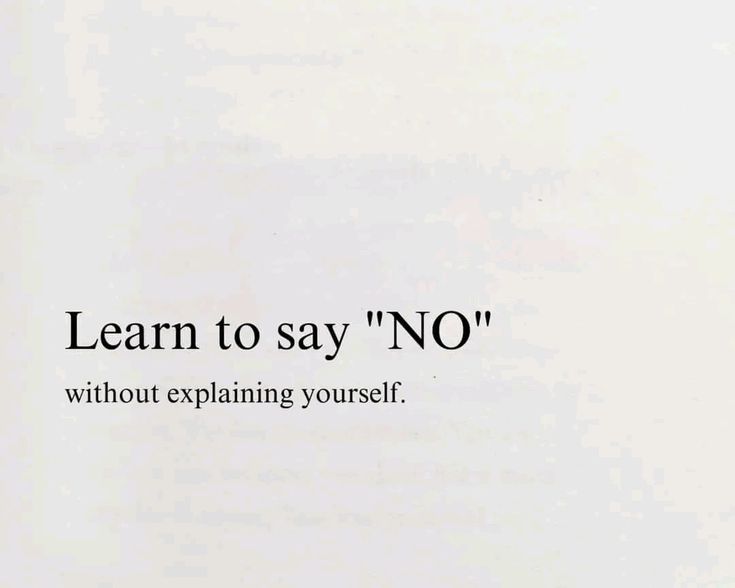
The good news is that saying “no” doesn’t have to be harsh. You don’t need a long explanation or an elaborate excuse.
Simple statements are enough:
• “I appreciate you asking, but I can’t commit to that.”
• “I’m not available today.”
• “I need to focus on my own priorities right now.”
• “Thank you for thinking of me, but I’ll have to decline.”
Being respectful doesn’t require sacrificing yourself.
REMEMBER THIS
Every time you say “yes,” you’re giving away something—your time, energy, attention, or emotional space.
Before agreeing to something, ask yourself one simple question: “Am I saying yes because I truly want to, or because I’m afraid to say no?”
The answer can tell you a lot.
Learning to say “no” isn’t about becoming less caring. It’s about caring for yourself with the same compassion you so easily offer to others. Because protecting your peace isn’t selfish. It’s healthy.
