
~ Jia Gandhi, Intern
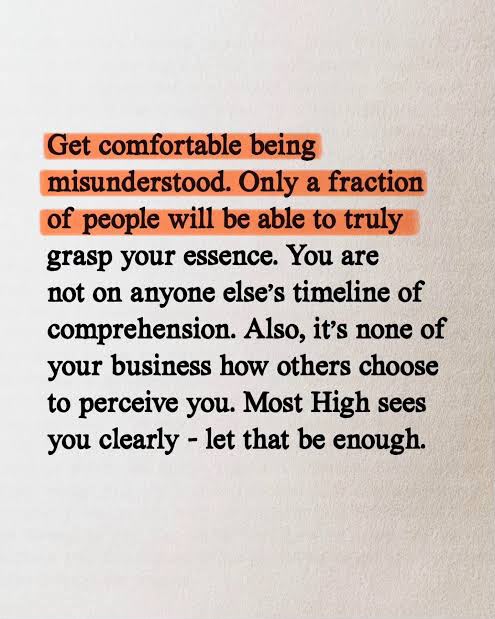
There comes a point in many of our lives when we realise something that is both painful and freeing at the same time: Not everyone will understand your story. The difficult part is that we usually don’t realise this overnight; we learn it after spending hours trying to explain ourselves.
Maybe someone misunderstood your intentions. Maybe they judged you after hearing only one side of the story. Maybe they believed a rumour without asking what actually happened. Or maybe they simply decided who you were without taking the time to know you. So you do what most of us would do. You explain.
You start from the beginning. “No, that’s not what happened.” “I didn’t mean it like that.” Let me tell you the full story.” One explanation turns into another. You explain your actions. Then your emotions. Then your childhood. Then your stress. Then things that weren’t even part of the conversation. Somewhere along the way, you stop explaining the situation and start explaining yourself. And by the end of it, you wonder, “Why did I tell them so much?”
If you’ve ever felt this way, you’re far from alone. Most of us have over-explained at some point, not because we enjoy talking about ourselves, but because we desperately wanted someone to understand where we were coming from.
Think about the last time someone texted, “You’ve changed.” Maybe all you needed to say was, “I’ve just been busy.” Instead, you found yourself typing a long message about work, college, family, your mental health, everything that’s been happening lately, and how you never meant to make them feel ignored. Or maybe someone called you rude because you stayed quiet in a group conversation. You wanted to say, “I was just overwhelmed.” Instead, you started explaining your anxiety, your overthinking, how you’ve been feeling for weeks, and why social situations have been difficult.
You weren’t trying to overshare. You were trying to protect the version of yourself that they couldn’t see. That’s the thing about being misunderstood. It doesn’t just make us want to correct the facts, it makes us want to protect our identity because when someone says, “You’re selfish,” our mind doesn’t hear one opinion, it hears, “They think I’m a bad person.”
When someone says, “You don’t care,” we don’t just defend one action, we start defending our entire heart. That’s why we over explain. We’re not always trying to win an argument. Sometimes we’re simply asking, “Please don’t misunderstand who I am.”
But here’s where it becomes exhausting. We often believe that if we just explain one more time, choose better words, or give more details, people will finally understand. Sometimes they do. But sometimes they don’t. And that hurts because there is no feeling quite like pouring your heart out and still walking away feeling unheard.
After that, many of us change. Not all at once. Slowly. We stop sending long messages. We stop telling people how we’re really doing. Someone asks, “How are you?” We smile and say, “I’m fine.” even when we’re carrying a hundred thoughts inside our head. It’s strange, isn’t it?
One day we’re sharing everything. The next day we’re sharing nothing. Oversharing and isolation seem like complete opposites but often, they’re part of the same emotional cycle. We overshare because we want to feel understood. We isolate because we no longer believe we will be.
Social media often adds another layer to this. Have you ever posted a quote that secretly reflected how you were feeling? Or shared a song, hoping one specific person would understand the message? Then you kept checking who viewed your story. Did they see it? Did they get it? Should I delete it? Should I explain what I meant?
Sometimes we want someone to notice. Sometimes we hope nobody asks, because we’re too tired to explain anymore. Both feelings can exist at the same time. The truth is, not everyone deserves the full story. That doesn’t mean becoming cold or distant. It means understanding that vulnerability is valuable. Your story is valuable. Not everyone has earned the right to hear every chapter of it.
One of the healthiest questions we can ask ourselves before explaining is, “Is this person trying to understand me?” Or “Am I trying to convince someone who has already decided who I am?” Those are very different situations. People who genuinely care usually don’t make you feel like you’re standing in a courtroom defending your character. They ask questions. They listen. They stay curious. They don’t make you prove that you’re worthy of being believed, and if someone has already made up their mind about you, no amount of explaining can always change it. That isn’t because your story isn’t true. It’s because understanding requires willingness from both people.
One person can speak with complete honesty, but if the other person has stopped listening, the conversation has already ended. Accepting this can feel heartbreaking, but it can also be incredibly peaceful because it reminds us that our job isn’t to convince everyone, our job is to be honest, communicate with kindness, and know when we’ve said enough.
Not every misunderstanding needs a five-page explanation. Not every accusation deserves access to your deepest emotions. Not every opinion about you is a fact. If you’ve spent years over explaining, oversharing, and then disappearing because you felt embarrassed afterwards, please know that you’re not “too emotional.” You were probably trying to do something deeply human. You wanted to be understood and there’s nothing wrong with that. The real lesson isn’t to stop sharing your story it’s to choose your listeners wisely.
The people who truly care won’t make you earn the right to be understood. They won’t expect you to defend every decision, justify every feeling, or prove that your heart is in the right place. They’ll listen first. They’ll ask before assuming. And they’ll leave room for your truth, even when they don’t fully agree with it.
So the next time you feel the urge to write one more paragraph, explain one more detail, or prove one more point, pause for a moment. Take a deep breath and ask yourself, “Am I sharing because this person wants to understand me, or because I’m afraid of being misunderstood?” The answer won’t always change the situation but it might change how much of yourself you feel responsible for proving because your worth has never depended on how convincing your explanation is. And remember that not everyone will understand your story but the right people will never make you feel like you have to rewrite it just to be accepted.
