
~ Shreya Madhwal, Intern
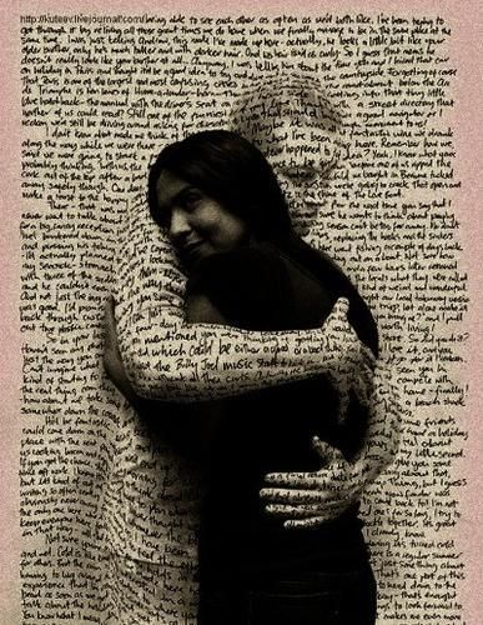
Have you ever finished a TV series and felt a bit empty afterward? Or shed a tear when your favorite character met a tragic fate, even though you knew they weren’t real? You’re definitely not alone! Many of us form emotional bonds with fictional characters, and there are some fascinating reasons behind it.
One key reason we get attached is that our brains react to stories in ways that resemble our real-life experiences. Even though we know the characters aren’t real, we empathize with their feelings, celebrate their achievements, and feel sad during their tough times. This ability to share in their emotions makes these characters feel significant to us.
Another reason is the idea of parasocial relationships. This term describes the one-sided emotional connections we develop with media figures, like characters in a show, actors, or even YouTubers. Though these characters don’t actually know us, we might feel like we know them well because we spend so much time with them. This repetition can create feelings of comfort and closeness.
We also connect with characters because we often see aspects of ourselves in them. Sometimes, a character faces the same challenges we do, or they may embody qualities we aspire to have. When we identify with a character, we can imagine ourselves in their situation, which deepens our emotional investment in their story.
Moreover, stories help fulfill important psychological needs. According to research, people naturally seek connections, a sense of competence, and personal meaning. Fiction can provide these experiences by showcasing strong friendships, personal growth, and emotional strength. Following a character’s journey can inspire us and help us make sense of our own feelings.
Interesting studies show that our brains sometimes don’t distinguish between fictional stories and real emotions. When we get really absorbed in a story, our brains react as if we’re actually experiencing those events. That’s why our heart might race during a suspenseful moment, why we laugh at a character’s jokes, or why we feel like crying at a sad ending. The feelings are genuine, even if the story isn’t real.
Feeling attached to fictional characters is usually a healthy part of enjoying stories, whether it’s books, movies, or TV shows. These experiences can help reduce stress, boost empathy, and provide comfort during lonely times. However, it’s essential to maintain a balance. If someone starts withdrawing from real-life relationships and relies only on fictional worlds for support, that could become a concern.
In summary, we form attachments to fictional characters because they help us feel understood, inspired, and emotionally connected. Through empathy, identification, and parasocial relationships, our minds create meaningful connections with these characters. These bonds highlight the incredible power of storytelling. While the characters may not be real, the emotions they evoke definitely are!
