
By Neha Juneja
Therapist | Mental Health Professional
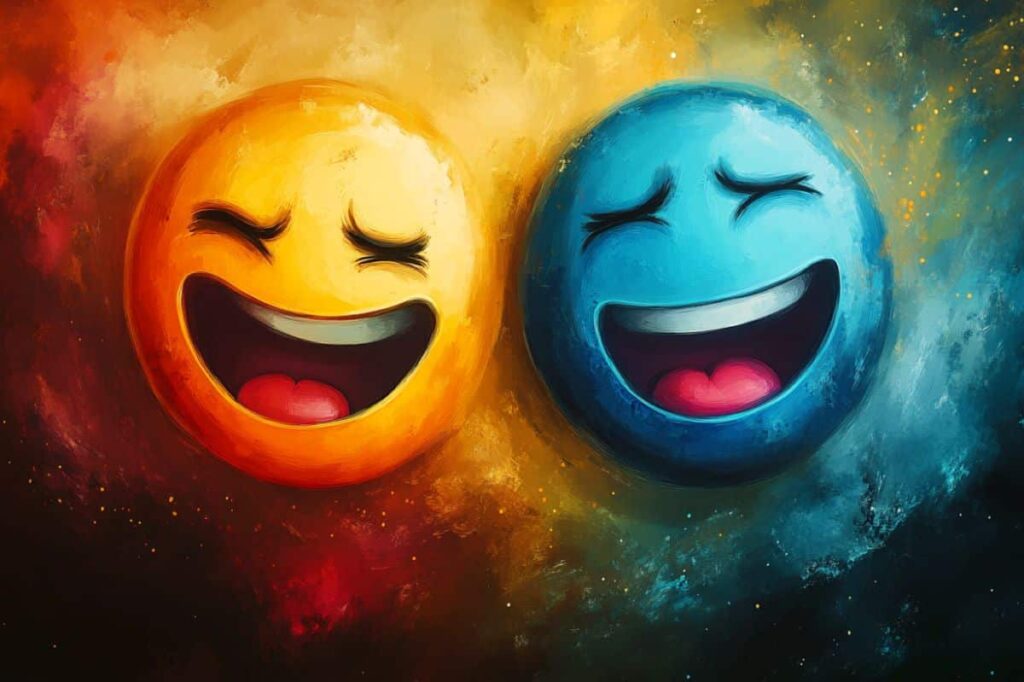
“She cried when the relationship ended, but she was smiling a week later. Did she ever really love him?”
“He looked happy after quitting his job. So why did he say he misses his old office?”
“She says she’s excited about moving abroad, yet she keeps crying. Is she even sure about her decision?”
We’ve all had thoughts like these.
Sometimes we judge other people’s character because their emotions don’t seem to make sense. Other times, we question our own feelings because we don’t understand why we’re experiencing completely opposite emotions at the same time.
The truth is, having mixed emotions doesn’t mean someone is fake, confused, or dishonest. It simply means they’re having a normal human experience.
We Often Mistake Emotional Complexity for Character Flaws
As humans, we like consistency.
If someone loves their partner, we expect them to feel only love.
If someone is happy about a promotion, we expect them to feel only excitement.
If someone chooses to leave a relationship, we assume they shouldn’t feel sad afterward.
But emotions don’t work in such neat categories.
A person can deeply love someone and still know the relationship isn’t healthy.
Someone can feel relieved after resigning from a stressful job while genuinely grieving the friendships they left behind.
These aren’t contradictions. They’re different emotional responses to different parts of the same experience.
Judging someone’s character based on one emotional moment often causes us to misunderstand them.
What Are Mixed Emotions?
In psychology, experiencing two opposite emotions at the same time is called mixed emotions or emotional ambivalence.
This simply means your mind is capable of holding more than one emotional truth at once.
For example:
- You can be grateful for an opportunity while mourning what you had to leave behind.
- You can forgive someone and still feel hurt.
- You can miss someone and know they shouldn’t be part of your life anymore.
- You can be proud of your child becoming independent while missing the days they needed you.
One emotion doesn’t erase the other.
Both can exist together.
Why Does This Happen?
Our emotional world is more complex than we think.
Life is rarely all good or all bad.
One event can bring hope, loss, excitement, fear, relief, and sadness—all at once.
Your brain doesn’t force you to choose only one feeling.
Instead, it allows multiple emotional experiences to exist together.
Your mind is trying to hold two different realities.
Sometimes two truths exist at the same time.
For example:
“Leaving this relationship is the healthiest decision.”
and
“I still love this person.”
Both statements can be true.
Holding these opposing realities can feel uncomfortable because our minds naturally prefer simple, clear answers. This mental discomfort is known as cognitive dissonance.
It doesn’t mean the person is confused. It means they’re processing a complicated reality.
Different parts of the brain respond to different experiences.
One part of the brain recognizes growth, freedom, and new beginnings.
Another responds to loss, uncertainty, and attachment.
That’s why someone can genuinely feel excited about the future while grieving what they’re leaving behind.
The emotions are different, but they’re both real.
Why Do We Get Confused About How Someone Really Feels?
One of the biggest mistakes we make is believing that only one emotion can be true.
When we see someone laughing after a breakup, we assume they never cared.
When someone cries after getting their dream job, we think they must regret their decision.
When a parent says they’re relieved their child has moved out but also misses them terribly, people may wonder which feeling is “real.”
The answer is simple.
They all are.
People don’t have to choose one emotion to prove the other.
A Real-Life Example
Imagine a woman who decides to end a long-term relationship.
For years, she felt emotionally exhausted and knew the relationship wasn’t healthy.
When she finally leaves, she feels an overwhelming sense of relief.
A few weeks later, she cries while looking at old photographs.
Her friends become confused.
“Didn’t she want this?”
“Maybe she made the wrong decision.”
“Maybe she still loves him.”
In reality, she can experience all of these at once.
She can miss the memories, grieve the future she once imagined, and still believe leaving was the healthiest decision.
Missing someone doesn’t always mean you should go back.
Feeling relief doesn’t mean the relationship never mattered.
Both emotions are valid because they represent different parts of the same story.
Before Judging Someone, Remember This
The next time someone’s emotions seem contradictory, pause before deciding what they “really” feel.
Human emotions aren’t tests of honesty.
They’re reflections of lived experiences.
Someone can love and let go.
Someone can celebrate and grieve.
Someone can smile while healing from pain.
None of these make them inconsistent.
They make them human.
Final Thought
Not every emotional contradiction is a contradiction in character.
Sometimes, it’s simply evidence that a person is carrying more than one truth at the same time.
The more we understand emotional complexity, the less we judge ourselves—and the more compassion we have for the people around us.
