
~ Jia Gandhi, Intern
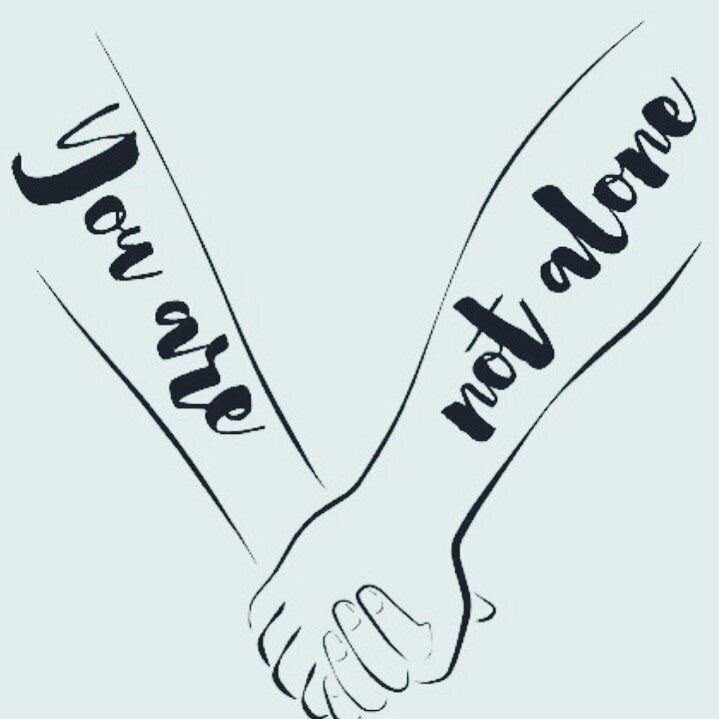
Most of us have asked someone, “How are you?” countless times. Most of us have also heard the automatic reply, “I’m fine,” even when it wasn’t true. The reality is that many people who struggle with suicidal thoughts don’t always look like they are in crisis. They may still go to work, attend college, laugh with friends, or take care of their families. On the outside, life appears normal. On the inside, they may be fighting a battle that nobody else can see. Suicide is not simply a desire to die. More often, it is a desperate wish for emotional pain to stop. When someone feels trapped by hopelessness, loneliness, loss, or overwhelming stress, they may begin to believe that there is no other way forward. In those moments, what they need most is not judgment or quick advice, they need someone who is willing to listen.
One of the biggest myths about suicide is that people who talk about it are only seeking attention. This belief is both inaccurate and dangerous. When a person says, “I can’t do this anymore,” “Everyone would be better without me,” or “I just want everything to end,” they are communicating deep emotional distress. Whether these words are spoken directly or hinted at indirectly, they should always be taken seriously. Asking for help is not attention-seeking; it is often a sign that someone is trying to survive. The signs are not always obvious. A person may slowly stop replying to messages, avoid meeting people, lose interest in activities they once loved, or seem emotionally exhausted all the time. Some may give away belongings that are important to them. Others may suddenly appear unusually calm after weeks or months of emotional struggle. Every individual is different, but any sudden change in behaviour deserves kindness and attention rather than criticism.
Many people worry that asking someone if they are thinking about suicide will “put the idea into their head.” Research tells us the opposite. A caring and direct question does not increase the risk of suicide. Instead, it often gives the person permission to speak honestly about feelings they have been hiding for a long time (World Health Organization, 2023). A simple question like, “I’ve noticed you’ve been struggling lately. Are you thinking about hurting yourself?” may feel uncomfortable to ask, but it can also be the beginning of an honest conversation that saves a life. When someone opens up to you, resist the urge to immediately solve their problems. You don’t need the perfect words. You don’t need to have all the answers. Sometimes the most meaningful response is simply, “Thank you for telling me. I’m here with you.” Avoid saying things like, “Be strong,” “Think positive,” or “Others have it worse.” Although well-intentioned, these statements can make a person feel misunderstood. Feeling heard is often more healing than hearing advice.
Imagine a college student who suddenly stops attending classes, ignores friends, and spends most of the day alone. Or a parent who keeps saying that everyone would be happier without them. Or a colleague who was once cheerful but has become unusually quiet over the past few weeks. These situations may have many explanations, but they should never be dismissed. A gentle conversation, a phone call, or even sitting beside someone without trying to fix everything can remind them that they are not alone.
Professional help plays an important role in suicide prevention. Psychologists and psychiatrists provide a safe space where people can talk openly without fear of being judged. Therapy helps individuals understand their emotions, learn healthier ways of coping, and rebuild hope step by step. Sometimes medication is also recommended, especially when conditions such as depression or severe anxiety are making everyday life feel unbearable. Reaching out for professional support is not a sign of weakness, it is one of the strongest decisions a person can make. If you believe someone is in immediate danger of harming themselves, stay with them if you can. Do not leave them alone. Contact a trusted family member, a mental health professional, or emergency services without delay.
Taking action may feel uncomfortable in the moment, but it is always better to respond with care than to wish later that you had done something. Suicide prevention is not only the responsibility of doctors, psychologists, or hospitals. It belongs to all of us. Every friend who checks in, every teacher who notices a struggling student, every family member who chooses patience over criticism, and every stranger who offers kindness becomes part of a safety net that can protect a life. If you are reading this while carrying thoughts of giving up, please remember one thing: you do not have to face this alone. The pain you feel today does not define your future. There are people who want to listen, people who genuinely care, and treatments that can help. Even if hope feels distant right now, it can return. Sometimes, people don’t need someone to fix their life. They simply need one person who will stay long enough to remind them that their life is worth living. Because every life matters. Every conversation matters. And sometimes, one conversation can be the reason someone is still here tomorrow.
