
by Arvind Maurya, Counselling psychologist

Generalized Anxiety Disorder (GAD)
Some facts about GAD
- Anxiety disorders are the world’s most common mental disorders, affecting 360 million people worldwide.
- It is more women are affected by anxiety disorders than men.
- Most commonly, symptoms of anxiety start appearing during childhood or adolescence.
- Approximately 1 in 4 people with anxiety disorders receive treatment for this condition.
Overview
Everyone can feel anxious and fearful about doing something, but people with anxiety disorders often experience fear and worry that is both intense and excessive. These feelings are typically accompanied by physical tension and other behavioural and cognitive symptoms. People find it difficult to control their fear, which can cause significant distress and last a long time if untreated. Anxiety disorders start to interfere with a person’s daily activities, relationships with others, family, and school or working life.
Symptoms and patterns of GAD
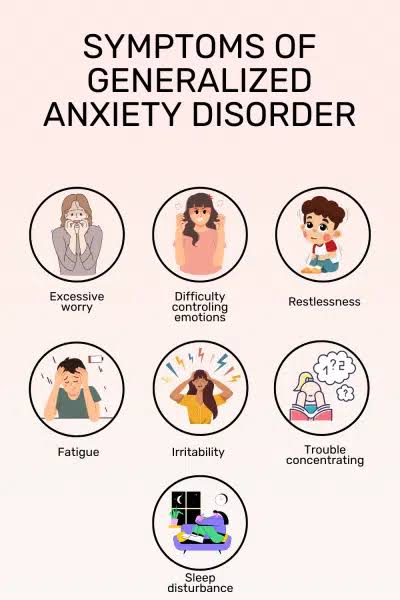
People with generalized anxiety disorder experience persistent fear or worry about a broad range of everyday situations. They typically experience these symptoms over an extended period – at least several months. People avoid situations that make them anxious.
Other symptoms of anxiety disorders:
- Trouble concentrating or making decisions
- Feeling irritable, tense, or restless
- Experiencing nausea or abdominal distress
- Having heart palpitations
- Sweating, trembling, or shaking
- Trouble sleeping
- Having a sense of impending danger, panic, or doom.
Causes and Risk Factors
While the exact cause is not fully understood, GAD is believed to result from a complex interaction of biological, genetic, and environmental factors. These may include differences in brain chemistry and function, a family history of anxiety, or a history of significant life changes or traumatic events.
Anxiety disorders are closely related to and affected by physical health. Many of the impacts of anxiety (such as physical tension, nervous system hyperactivity, or harmful use of alcohol) are also known risk factors for diseases such as cardiovascular disease. In turn, people with these diseases may also find themselves experiencing anxiety disorders due to the difficulties associated with managing their conditions.
Management and Treatment
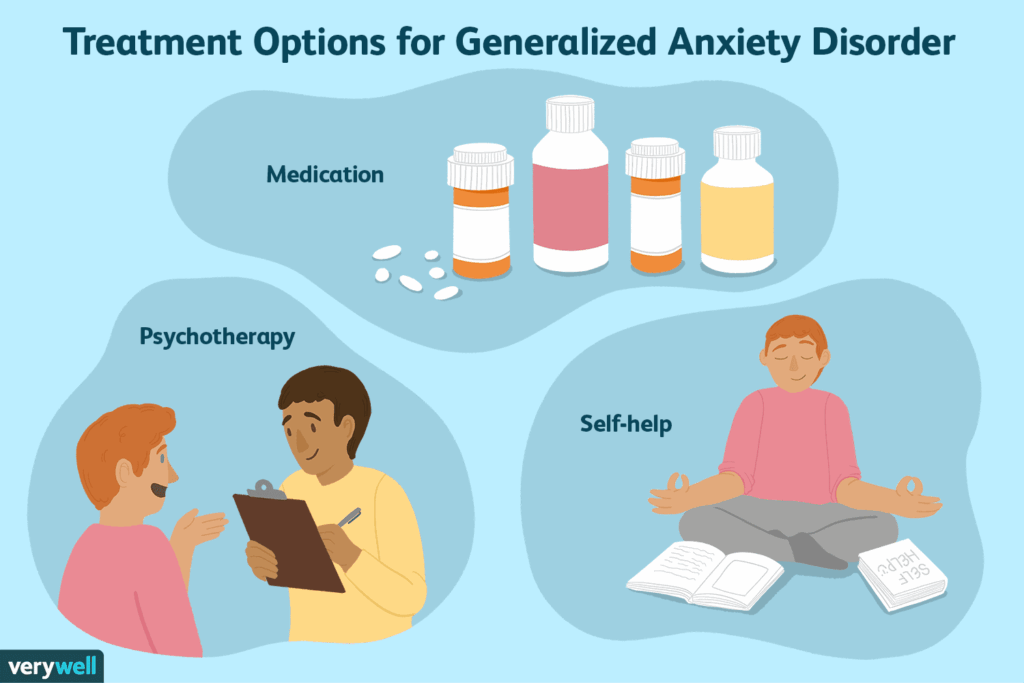
Treatment for GAD is typically long-term and often involves a combination of psychotherapy, medications, and lifestyle changes.
Psychotherapy:
Cognitive Behavioural Therapy (CBT) is highly effective for GAD, helping individuals identify unhelpful thinking patterns and develop healthier coping mechanisms.
Other psychological interventions are helpful treatments for GAD and refer primarily to talk therapy with professionals or supervised therapists. That can help people learn new ways of thinking, coping, or relating to their anxiety, to others, or to the world. A therapist can teach people how to face the situations involved in events, people, or places that trigger their anxiety.
In addition, during therapy, a person also learns to manage daily life stress, relaxation skills (like PMR, box breathing exercise), and mindfulness skills, which can help reduce symptoms of GAD.
Medications:
Doctors may prescribe antidepressants such as SSRIs (Selective Serotonin Reuptake Inhibitors) or SNRIs (Serotonin-Norepinephrine Reuptake Inhibitors) as first-line medical treatments. Health-care providers should keep in mind the possible adverse effects associated with antidepressant medication, the ability to deliver either intervention (in terms of expertise and/or treatment availability), and individual preferences.
Lifestyle Changes
- Avoid or cut down on alcohol and don’t use illicit drugs, which can make anxiety worse;
- Exercise regularly, even if it’s just a short walk;
- Stick to regular eating and sleeping habits as much as possible and eat a healthy diet;
- Learn relaxation techniques, such as slow breathing and progressive muscle relaxation.
- Develop the habit of mindfulness meditation, even if it’s just a few minutes per day.
.
If you or someone you know is struggling with anxiety, consulting with a general physician or a licensed mental health professional is the best first step to getting an accurate diagnosis and a personalized treatment plan. You can learn more about clinical definitions and management guidelines from resources provided by the World Health Organization.
