
By: Jia Gandhi, Intern
We often admire people who seem to stay calm during difficult times. They lose a job, experience a setback, face illness, or go through personal loss, yet somehow they continue moving forward. From the outside, it may look like they are simply “strong.” However, psychology tells us something different. Their strength does not come from avoiding pain, it comes from resilience, supported by an equally important quality known as psychological flexibility.
Resilience is not about pretending everything is fine or never feeling overwhelmed. It is the ability to recover, adapt, and continue living meaningfully despite life’s challenges. Every individual experiences stress, disappointment, fear, or failure at some point. What makes the difference is not the absence of these emotions, but how we respond to them. The American Psychological Association describes resilience as the process of successfully adapting to adversity through mental, emotional, and behavioural flexibility, along with support from meaningful relationships and healthy coping strategies (American Psychological Association, 2023).
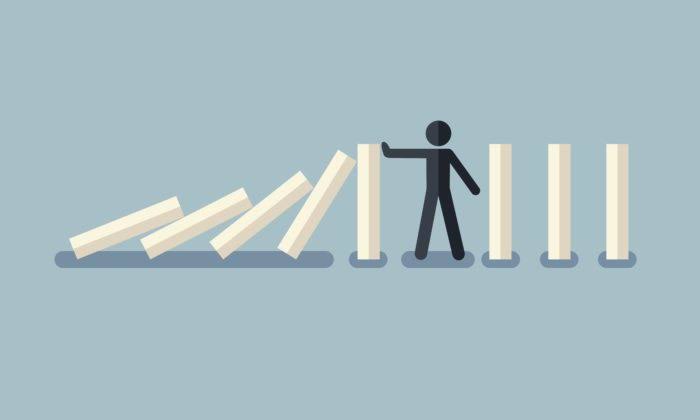
While resilience helps us recover, psychological flexibility helps us adjust. It is the ability to accept uncomfortable thoughts and emotions without allowing them to control our behaviour. Instead of fighting every difficult feeling or trying to eliminate emotional pain, psychologically flexible individuals acknowledge what they are experiencing and choose actions that align with their values and long-term goals. This concept forms the foundation of Acceptance and Commitment Therapy (ACT), where emotional acceptance is viewed not as giving up, but as creating space for growth (Hayes et al., 2012). Imagine a tree during a storm. The rigid branches are more likely to snap under pressure, whereas the branches that bend with the wind are more likely to survive. Human beings respond to psychological challenges in much the same way.
When our thinking becomes rigid, “Things must happen exactly as I planned,” or “If I fail once, I am a failure”, we often experience greater emotional distress. Flexibility allows us to recognise that situations change, emotions come and go, and alternative paths are always possible. Research consistently shows that psychological flexibility is associated with lower levels of anxiety, depression, chronic stress, and emotional exhaustion. It also contributes to greater life satisfaction, healthier relationships, and improved overall well-being (Kashdan & Rottenberg, 2010). This does not mean flexible people experience fewer problems; rather, they develop healthier ways of responding to those problems. An important misconception is that resilience is an inborn personality trait. In reality, resilience is a skill that develops over time. It grows through everyday experiences, supportive relationships, selfawareness, and repeated practice. Small daily habits, such as maintaining routines, seeking support when needed, practising mindfulness, taking care of physical health, and learning from setbacks, gradually strengthen our ability to cope. Carol Dweck’s research on the growth mindset further supports this idea, suggesting that people who see challenges as opportunities to learn are more likely to persevere through difficulties and recover from failure (Dweck, 2006).
In clinical practice, resilience and flexibility are particularly important for individuals living with anxiety disorders, depression, trauma, obsessive-compulsive disorder, or chronic stress. Recovery does not always mean eliminating painful thoughts or emotions. Instead, therapy often focuses on helping individuals build healthier relationships with these experiences, so they no longer dictate every decision or define one’s identity. Over time, people learn that emotional discomfort can coexist with meaningful action. Ultimately, resilience is not measured by how rarely we fall, but by our willingness to rise after each setback. Flexibility reminds us that life is constantly changing, and adapting to those changes is not a sign of weakness, it is a sign of psychological strength. Together, resilience and flexibility allow us to face uncertainty with hope, respond to adversity with wisdom, and continue building a life guided not by fear, but by purpose.
