
By Neha Juneja
Therapist | Mental Health Professional
When someone we love is going through a difficult phase with their mental health, our first instinct is often to “fix” the problem. We search for the right words, offer advice, or try to distract them from their pain. Yet, what most people need during these moments is not a solution—they need someone willing to stay beside them without judgment. Mental health challenges rarely look the way people expect. Not everyone cries openly or talks about their struggles. Some continue to smile, go to work, attend family gatherings, and fulfill responsibilities while silently fighting overwhelming anxiety, depression, trauma, or emotional exhaustion. This is why caring for someone begins with noticing, rather than assuming.
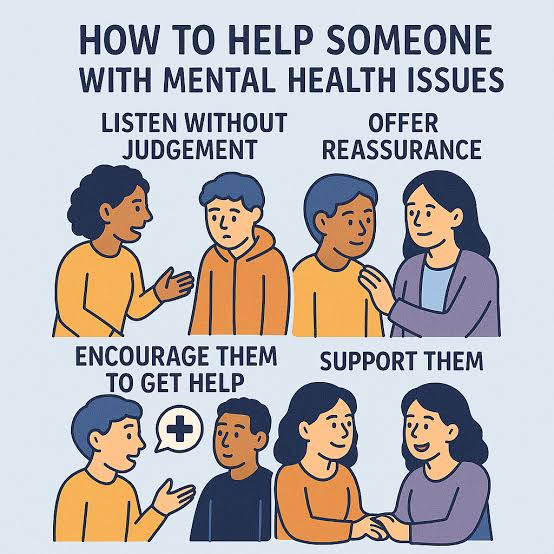
The most valuable gift you can offer is your presence. Genuine listening can be more healing than perfect advice. Allow them to express themselves without interrupting, minimizing, or comparing their experiences with someone else’s. Simple statements such as, “I’m here for you,” or “You don’t have to go through this alone,” can provide comfort that lasts much longer than motivational speeches.
One of the biggest mistakes people make is trying to force positivity. While phrases like “Everything happens for a reason,” or “Just think positive” are often well-intentioned, they can unintentionally make the person feel misunderstood or guilty for struggling. Emotional pain deserves acknowledgment, not dismissal. Instead of trying to erase their emotions, create space for them to be felt safely.
Patience is another form of care. Recovery is rarely a straight path. There may be days when they seem energetic and hopeful, followed by days when even getting out of bed feels impossible. Progress should never be measured by how quickly someone “returns to normal.” Healing takes time, and every small step deserves recognition. Practical support often matters as much as emotional support. When someone is mentally overwhelmed, everyday tasks can become exhausting. Offering to cook a meal, accompany them to a therapy appointment, help with groceries, or simply sit quietly with them can reduce the burden they carry. These acts may appear small, but they communicate a powerful message: You are not alone.
Encouraging professional help is equally important, but it should come from a place of compassion rather than pressure. Mental health conditions are not signs of weakness, and seeking therapy or psychiatric support is no different from consulting a doctor for a physical illness. Instead of insisting, gently remind them that asking for help is an act of courage, not failure. At the same time, caring for someone does not mean taking responsibility for their recovery. Family members and friends often feel guilty when they cannot make things better. The truth is that you can support someone without carrying their pain as your own. Setting healthy boundaries protects both you and the person you care about. You cannot pour from an empty cup, and maintaining your own emotional well-being allows you to offer consistent support.
It is also important to educate yourself about the condition they are experiencing. Learning about depression, anxiety, bipolar disorder, trauma, or other mental health conditions can help you understand why they behave in certain ways. Knowledge replaces judgment with empathy and enables you to respond more thoughtfully.
Finally, never underestimate the impact of kindness. A message asking how they are doing, remembering an important appointment, celebrating a small achievement, or simply reminding them that they matter can make an enormous difference. Healing often happens through repeated experiences of feeling seen, heard, and accepted. Supporting someone with mental health difficulties is not about having the perfect words or always knowing what to do. It is about showing up consistently, listening with compassion, respecting their journey, and reminding them—through your actions more than your words—that they are worthy of care even on the days they cannot see it themselves. Sometimes, the most healing thing we can offer another person is the reassurance that they do not have to face their darkest moments alone.
